How to match colors in clothing
6 min read

Don't follow trends. Don't let fashion own you; be the one to decide who you are, what you want to express in the way you dress and the way you live.
Gianni Versace
Knowing how to match colors and combine the right shades is not just a matter of creative freedom and experimentation.
There are specific rules to follow , a series of dos and don'ts to respect if what you want is impeccable style.
Now, and in 2023, more than ever.
Next spring/summer is colored with pastel shades and neutral nuances , enlivened by the character of Viva Magenta and the avant-garde energy of bright colors in green tones.
Here are our timeless style tips on how to combine colors correctly to create impactful looks, in the wake of the latest creations from fashion houses.
How to understand which colors to match together?
To understand how to match clothing colors , you need to know and understand the underlying workings of the main color theories .
The starting point is, without a shadow of a doubt, the Itten Wheel.
It is a color wheel that contains all the primary, secondary and complementary colors, whose position indicates the ideal tones to combine.
Itten's color wheel is therefore the source from which to extrapolate the rules for combining hues and shades, respecting the main aesthetic canons of the fashion ecosystem.
Here are the most important theories for creating particularly harmonious and captivating color combinations :
- complementary color theory , which suggests matching colors that are found in opposite positions on the Itten color wheel (called, precisely, complementary): red and green, blue and orange, yellow and purple;
- analogous color theory , which involves placing colors that are next to each other next to each other: red, orange, and yellow, for example;
- tonal color theory , which advocates pairing colors with the same hue or intensity, such as dark red and black;
- monochromatic color theory , which is based on the use of a single color in different shades and intensities: navy blue with denim blue, for example;
- triadic color theory , which involves matching colors that form a triangle on the color wheel, such as red, yellow, and blue.
These theories are visible in the spring summer 2023 collections of fashion houses such as Valentino , Prada , Balmain, Givenchy, Chloè and Alessandra Rich.
Now, the question is: what are the winning combinations?
How to match colors in an outfit?
Before analyzing the different color combinations for a total look for men and women, it is important to distinguish between:
- light-based colors , which have a greater amount of white mixed with the main pigment.
We're talking about pastel colors , with light and bright shades particularly popular in spring and summer fashion from houses such as Chloé, Maison Margiela and Alessandra Rich.
From light pink to pale yellow, from baby blue to ivory and beige, light-based colors are particularly versatile and can be used to create a wide range of looks.
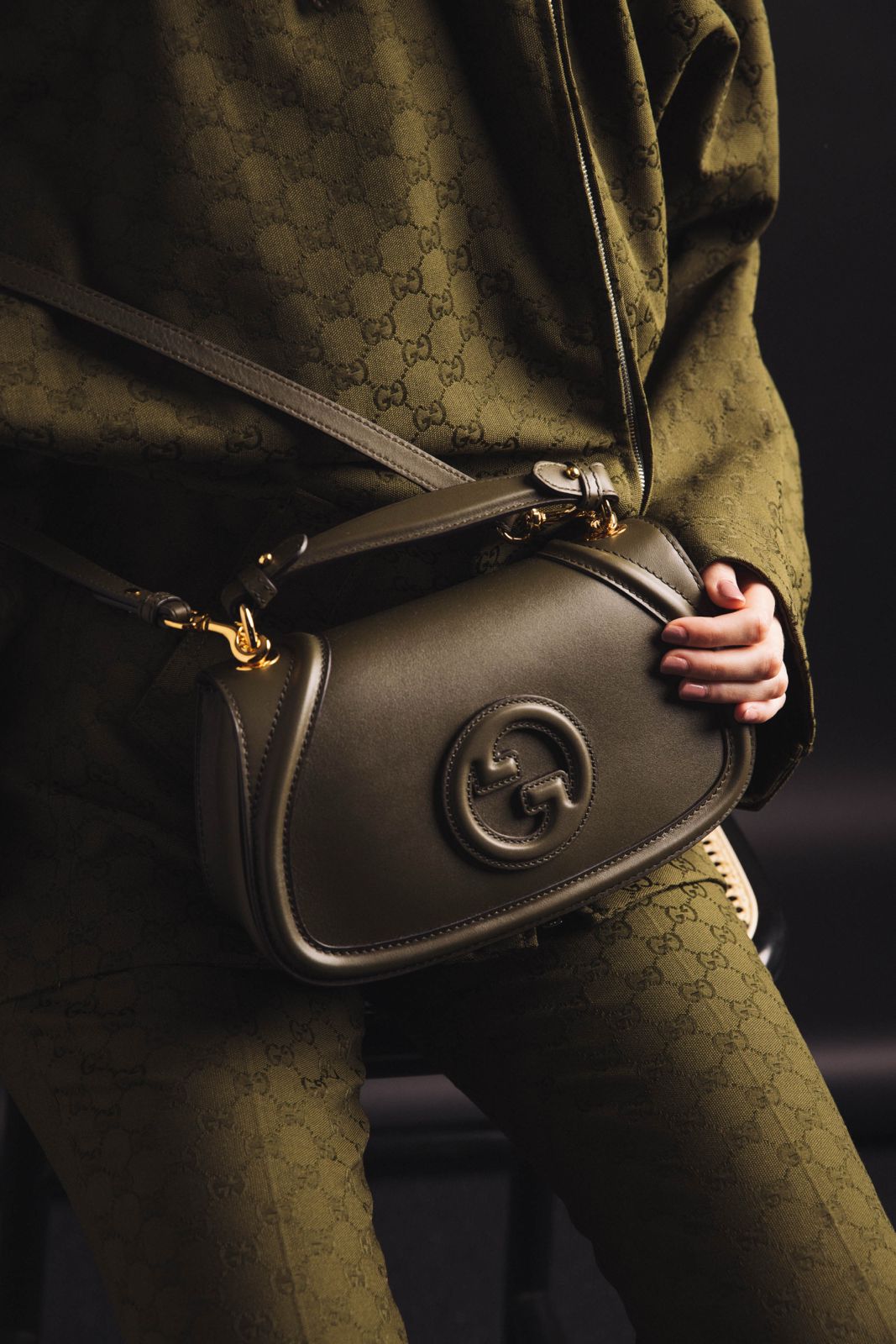
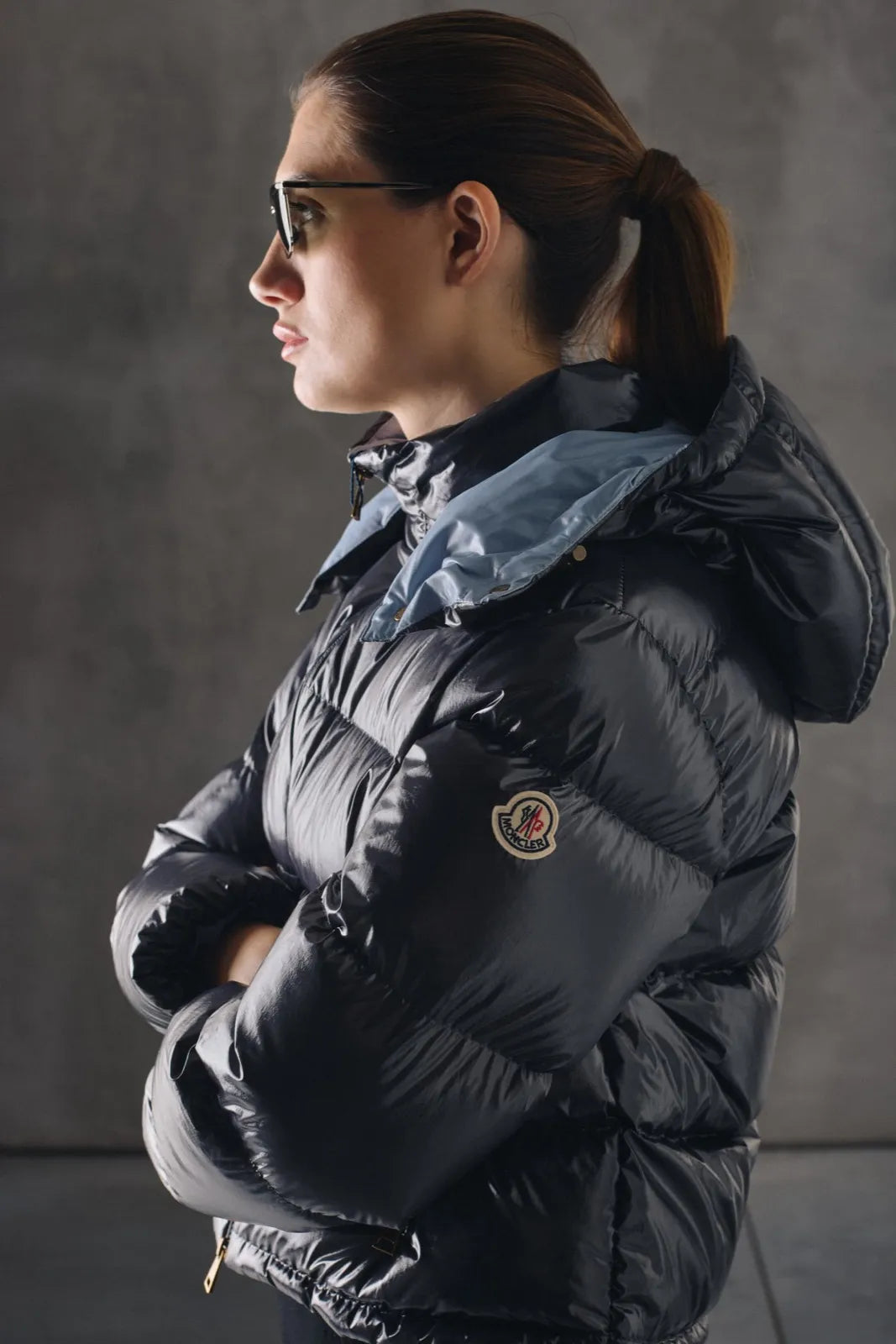
- dark-based colors , dark-based colors, with a quantity of black mixed into the main pigment such as black, midnight blue, dark brown and burgundy.
Dark-based colors are central to that edgy look seen in Givenchy's SS23 collections and during Balmain's FW23 shows at the recent Paris Fashion Week.
- bright colors , which include all the intermediate shades between light-based and dark-based colors, such as red, yellow, orange, and green.
Let's now see how to combine light, dark, and bright colors for a perfect look.
Tone on Tone
Among the most popular options when it comes to matching colors, we find the option tone on tone .
Choose a base color and experiment with shades and tones , for a particularly delicate and refined, classic and harmonious look.
Milk white and cream, brown and beige, denim and light blue, for example.
Analogous and complementary colors
Combining two similar or complementary colors is the perfect choice for a chic outfit , full of personality but still balanced.
This is the case of the combination of similar teal/gold shades by Balmain and the green and yellow duo by Alessandra Rich , for a fluid and light style.
Mix & Match
One of the most used, simple and appreciated solutions is the mix&match of light-based colors and dark-based colors.
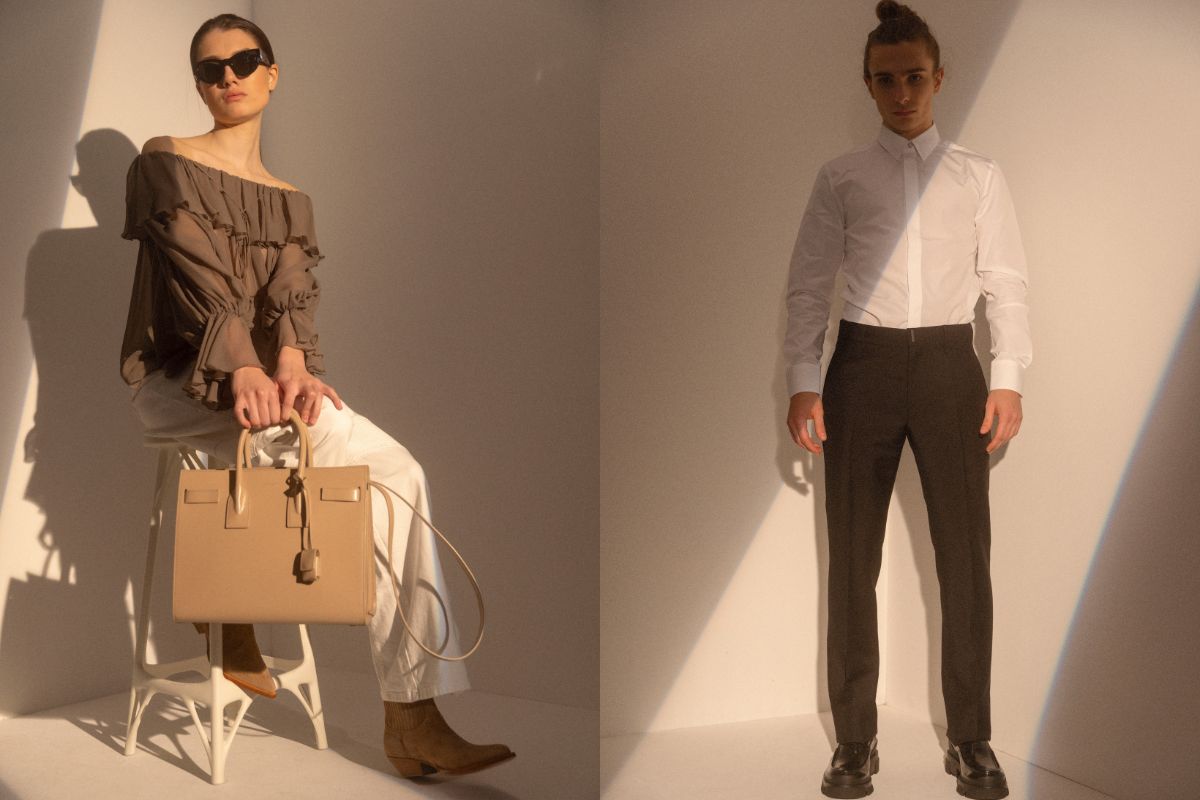
An example? Chloé's ivory biker pants paired with an elegant brown blouse.
Also experiment with green and brown for a natural and relaxed look, in the wake of Alessandra Rich, or with purple and grey , for a sophisticated and modern style.
For a more energetic style , however, Pucci is the perfect choice.
The maison's new collection revolves around particularly bright colours , combined with a synergy that expresses a particularly incisive vitality.
The maison experiments with the bold combination of primary and secondary colors: red and pink.
The result? A fresh, bold, and, without a doubt, summery look.
Safe mix bichromatic
During Paris Fashion Week, the fashion house Balmain presented its new autumn/winter collection, featuring the typical safe mix of black and white.
The two-tone style is a timeless combination , impeccable for both formal and informal situations, visible in the spring/summer collections of Chloè and Valentino.
Matching Colors: Three Evergreen Tips
Now that we're at the heart of the matter, here are three timeless tips for matching colors correctly.
- Don't combine more than three colors at the same time : whether it's clothing or accessories, opt for a maximum of three shades or hues;
- Choose shades and intensities that belong to the same palette : combining a pastel color with a fluorescent color would create an effect of too high and unpleasant contrast;
- Experiment with patterns and proportions : pair a solid-colored piece with a second one featuring prints and patterns for a fresh and lively result!
To each his own colors: color harmony
If we talk about color matching, we cannot fail to mention color harmony .
Color harmony is a discipline based on color theory with the aim of defining shades and tones that best enhance a person's natural beauty.
Generally speaking, color harmony provides for the classification of four seasons : spring, summer, autumn and winter.
Each of these features a color palette that adapts to specific characteristics such as eye and hair color, skin tone and undertone.
For example, people with a rosy complexion , light hair and eyes might belong to the spring season, for which pastel colors are recommended.
On the contrary, those with dark skin , dark eyes and hair could fall into the winter season, for which stronger and more intense colours are recommended.
It must be said, however, that it is a particularly complex discipline, with countless options and case studies.
Conclusions
Knowing the main theories of color matching is essential for creating fashionable looks.
Don't forget, however, that fashion is a subjective art: follow your instincts, experiment, and find your own style!