Gucci: the story of an iconic brand
8 min read
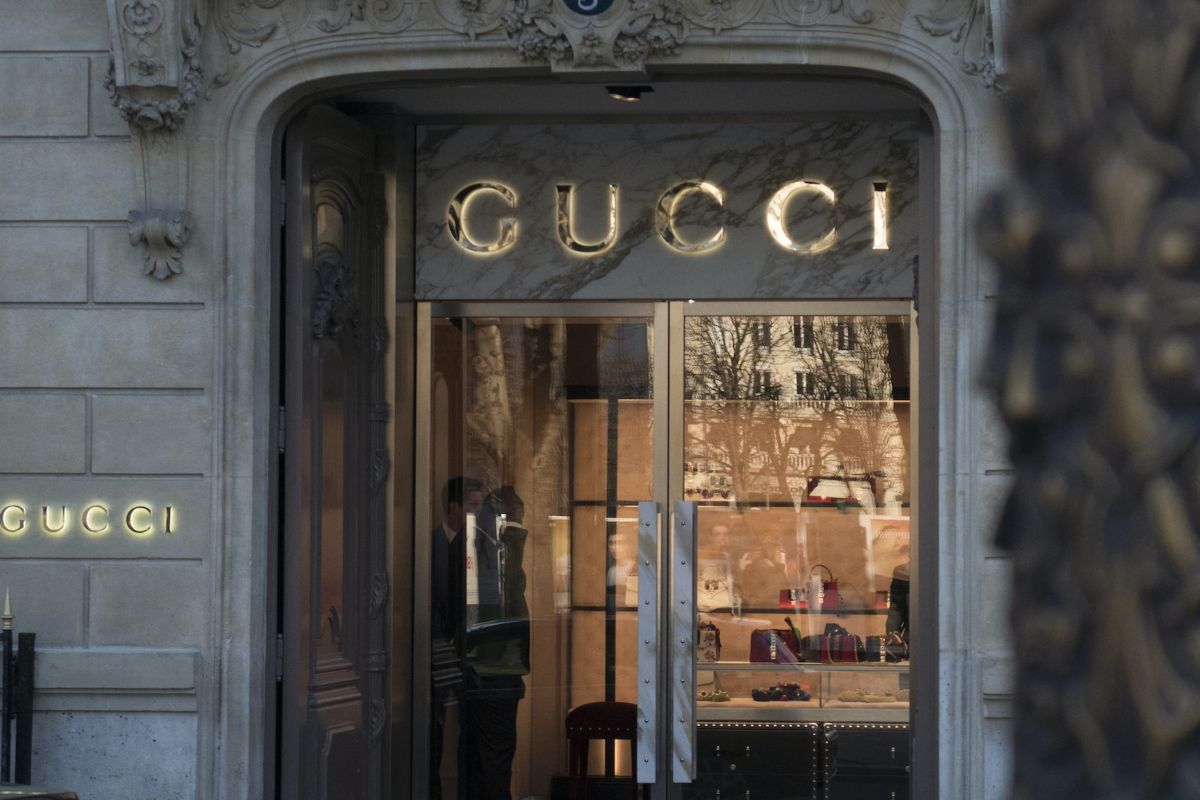
The brand stories column continues with the Gucci brand , one of the cornerstones of Italian fashion.
Today we present the history of this iconic brand, retracing its key stages.
From the conception to the distinctive features of a fashion house that has accompanied a constantly evolving society, combining past and present in garments and accessories that are successful around the world.
From Tuscany to the East: How Gucci Was Born
Gucci was born in Italy in 1921 , in the alleys of the Tuscan capital: Florence.
Initially known as a leather goods company selling equestrian items, gloves and luggage , the Maison founded by Guccio Gucci saw the inauguration of its first boutique in Rome as early as 1938.
The 1940s saw the creation and subsequent market launch of the Bamboo , the Maison's first It bag.
Still proposed and desired today, the bag has become a Gucci icon with a clean style , but at the same time unique and unparalleled, capable of breaking down the temporal barriers of an ever-changing society.
Starting with Guccio Gucci and continuing up to Alessandro Michele – the current creative director – Bamboo has proven to be, simply put, a timeless jewel.
“Quality is enjoyed long after the price has been forgotten”
Guccio Gucci
In 1953, with the death of founder Guccio Gucci, the Italian luxury fashion house passed into the hands of his four sons: Aldo, Ugo, Vasco and Rodolfo.
After having earned a place in the alleys of Milan, the Maison Gucci appeared – in 1953 – in New York, and subsequently in London, Paris, Chicago, Palm Beach and Beverly Hills, before finally reaching the East.
The Gucci style , at this point, easily made its way into the world of high fashion , outlining and strengthening its own identity appreciated and flaunted by celebrities such as Audrey Hepburn and Jackie Kennedy.
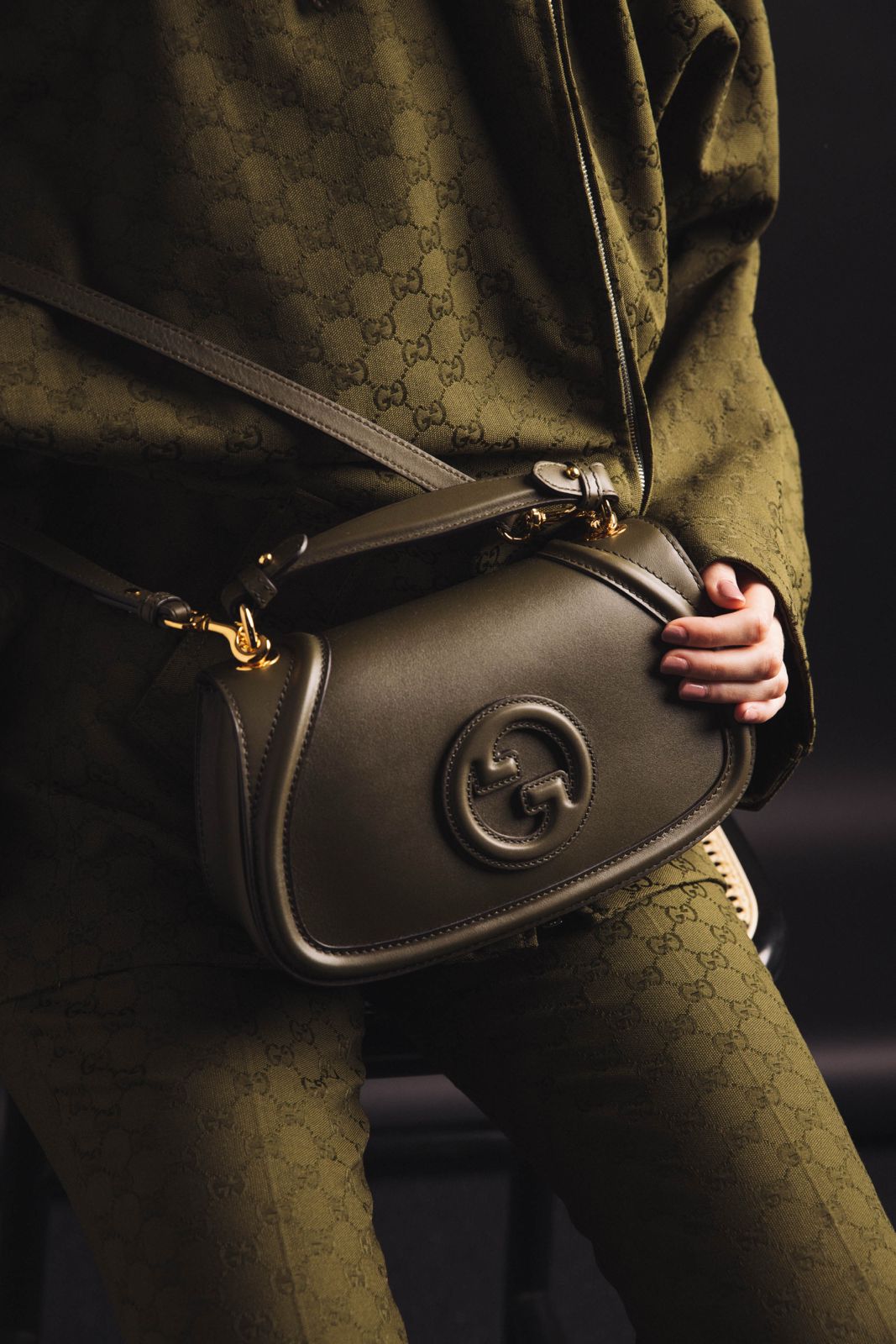
In the 1960s, Gucci's history witnessed an iconic change , which laid the foundations for a brand that is unparalleled today: the double G logo was used for the first time on canvas fabrics, both for bags and accessories.
In 1981, the Maison held its first fashion show in Florence, where Guccio Gucci – 60 years earlier – had a unique and exceptional idea.
The creative directions that have marked Gucci's history
The Gucci style has been marked by three iconic personalities who, after Guccio Gucci, have had a significant influence on the luxury brand.
Tom Ford: revolution
In 1954, it was Tom Ford , the American designer, who took control of the Maison , becoming its creative director and managing to lift it out of a period of crisis and difficulty.
Remembered today for revolutionizing Gucci style, Tom Ford created an image that is still unforgettable today : a determined woman, with an explicit and magnetic sensuality, dressed in metal, leather and fur inserts.
Tom Ford's style can be encapsulated in a revisited, modernized Gucci Bamboo , also available in a maxi format.
During his last years at the Maison Gucci, Tom Ford combined the chic and hippy key , giving them a touch of uniqueness, to finally propose lines that were sometimes sporty accompanied by vertiginous accessories, as in the case of stiletto heels.
Frida Giannini: dynamism
It was in 2006 that Gucci's heart was touched by the unforgettable touch of Frida Giannini , preceded by Alessandra Facchinetti, who however created a single collection: Gucci – Spring Summer 2005.
Frida's characteristic feature is dynamism.
During her tenure, the creative director proposes themed but always different women , united by an extreme strength and determination that shines through in every garment.
Frida Giannini's archive today contains numerous iconic creations.
From the first evening dresses , immediately worn by movie stars, to the Flora pattern , from the double G engraved on leather to the organic line, thanks to which it has stood out for its humanitarian and environmental interest, strengthening the reputation of the Maison Gucci with a green footprint of fundamental importance.
Alessandro Michele: A change that works
Alessandro Michele , creative director from 2014 to today, joined the company in 2002, hired by Tom Ford . Initially little known, he laid the foundations of his reputation in 2015 with a revolutionary men's collection.
The latter's retro and androgynous lines , in fact, were a notable departure from the traditional Gucci style.
Alessandro Michele is today a successful creative director, capable of combining past and present , tradition and innovation, elegance and eclecticism.
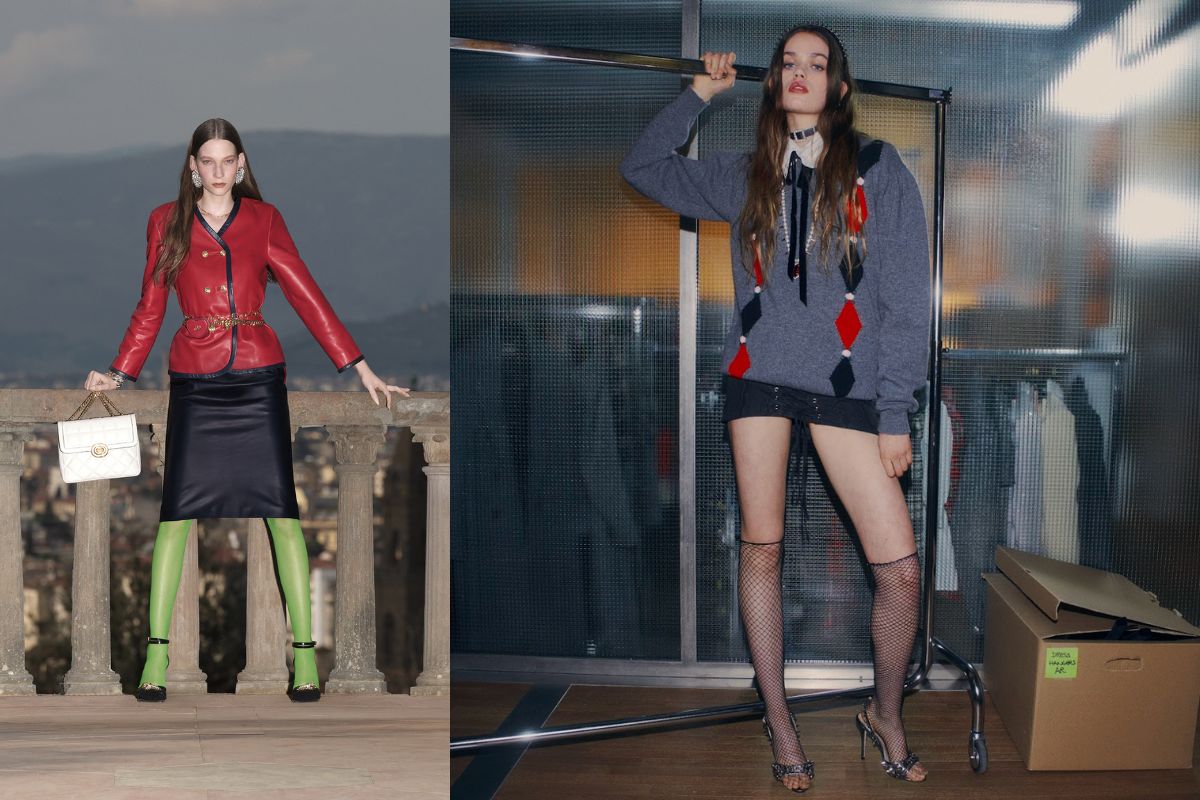
By using the iconic colors – green and red – he remains faithful to the Maison's origins, while combining them with today's tastes , which lead him to create successful garments suitable for both men and women.
Gucci: the garments and accessories that made history
Gucci's undeniable success began with the Bamboo It bag and continued with designs that have become timeless throughout the world, capable of meeting the tastes of different cultures and standing the test of time.
New Jackie O.
Among these is undoubtedly the New Jackie O bag , an essential accessory for lovers of the brand.
The bag, with its clean, rounded shape, is conceived as a tribute to Jacqueline Kennedy Onassis , who was always photographed with a Gucci bag during the 1950s.
The New Jackie O., which features a signature lobster clasp closure and a shoulder strap that certainly doesn't go unnoticed, is made of fabric or leather and is a combination of simplicity, elegance and finesse .
Revisited with a pop twist, the iconic Gucci bag is now available in chic variations, featuring stitching reminiscent of equestrian saddles and the Chateau Marmont logo.
Moccasin, an icon since 1953
The loafer , created in 1953, looks back to the roots of the Gucci fashion house.
The idea, once again, takes inspiration from the equestrian world and creates a product that reproduces the bit , making this simple element a truly iconic detail of the brand.
The undeniable success of this shoe is due to its extreme refinement and elegance , without sacrificing the comfort and quality of the product.
Extremely easy to put on and take off, as they have no laces, the moccasin has become an item of clothing for stars and movie stars, from Madonna to Brad Pitt.
Flora Scarf: Gucci Pays Homage to Grace Kelly
One of the most famous must-haves from the Gucci archive: we are talking about the Floral Scarf , created in homage to Princess Grace Kelly in 1966. Inspired by Botticelli's Primavera, the scarf was expressed as a wish by the Princess herself.
Colorful, painted with butterflies, dragonflies and berries, the Flora silk scarf was immediately appreciated and worn by iconic women such as Sofia Loren and Liz Taylor , and is still sought after and highly sought after by numerous collectors to this day.
Success also lies in Marketing
The genius of the Maison Gucci is also contained in its marketing strategies .
While on the one hand the brand creates sensational products, capable of standing out and satisfying society's tastes, on the other it is committed to careful market analysis , with the aim of capturing trends and revisiting tradition.
Gucci's success lies in its research and its incredible ability to seize the moment.
Once the desires and demands of a specific historical period have been studied and clarified, Gucci is able to design and create targeted garments and accessories in a very short time, offering revolutionized and adapted icons.
The Gucci secret lies in synergy: marketing and creativity go hand in hand , with the aim of appealing to the rationality and emotionality of a dynamic and therefore difficult audience, which, however, fuels the mechanism of a now timeless brand.
Gucci style 360°
The Gucci style, created step by step and continuously renewed over the years, presents characteristic stylistic lines :
- equestrian references : whether they are more or less evident inserts, Gucci creations remain faithful to the origins of the Maison and, from 1921 to today, have relied on chivalric elements to give elegance and refinement to the creations;
- The genderless key : Gucci's success is also thanks to its broad outlook, which ignores limits and boundaries. Especially with Alessandro Michele, the Maison began to offer clothing and accessories suitable for everyone, without any real distinction between men and women;
- brocade fabrics : the Gucci archive is populated with refined, colorful and floral velvets, used by its own creative director for most of his looks;
- Red and green : two chromatic cornerstones that cannot be missing from Gucci collections, even the most current and eccentric ones, where the two historic colors are combined with new ones, creating lively and cheerful contrasts.
Discover the history of the fashion houses Balenciaga , Fendi , Prada And Valentino Garavani !